Buy now

Srkwikipad 🆕 Trending

Mira used it as a companion for small excavations. When she was trying to remember the name of the poet who had once taught her to listen for line breaks in a crowd, the pad surfaced a half-remembered lecture transcribed by a volunteer in a forum she’d never heard of. When she wanted to know what had happened to a neighborhood market that used to sell figs and mismatched teacups, the pad threaded municipal records, oral histories recorded on shaky phones, and a postcard with a stamp smeared by rain. The result was never a definitive history. It was a way to stand in a place and feel the gravity of all it had been.

At home she wiped the dust away and held the device like a map to a person. The screen sprang to life with an interface that felt both familiar and purpose-built: tabs labeled SOURCES, REFLECT, THREADS, and — curiously — ANCHOR. Its keyboard was a soft, low-slung chorus of haptic replies. The first note she typed was a name; the second, an event. The pad responded by gathering: snippets from once-forgotten sites, quotes from letters that lived on defunct servers, machine-synthesized archives of radio shows. It assembled a mosaic that was part-index, part-echo.

At dawn, when the city’s neon sighed and the cleaners pushed their carts like slow punctuation through rain-slick streets, the pad's light blinked awake. It was a thin slab of brushed aluminum and tempered glass, the kind of object that promised a pocket of order in the noise of everything else. Its name — SRKWIPAD, stamped in a soft serif on the edge — felt archaic and intimate at once, like a nickname forged from technical shorthand and affection.

SRKWIPAD did not become a corporation’s marquee product. It remained partly underground, a network of devices and forks and volunteers who believed that knowledge was an interlaced thing, not a product to be scaled to oblivion. Its legacy was not market share but the innumerable small repairs it enabled: reconciliations, reclaimed recipes, municipal bylaws rewritten to protect a tree, apprenticeships that started because a young person could trace a craft’s lineage.

That steadiness made the wikipad valuable to others. A junior reporter used it to reconstruct a mayor’s rise by tracing campaign slogans through press releases, draft emails, and the informal newsletters of community groups; a retired teacher created a living primer for dialects she feared were slipping away; a group of neighbors reconstructed the disappearance of an old elm and used the evidence to push for a new ordinance. The device’s power was never unilateral; it amplified the fragments that communities already held, made them legible and defensible.

The pad called itself a wikipad, but it did more than collate facts. It stitched context into things that had been flattened by time and format. Where a plain archive would present a scanned page and a date, the pad threaded the page into a living narrative: who had written the margin notes, what weather had been the backdrop to that signature, which later events made the sentence burn brighter. It seemed to care less about completeness than about relation — the way a fragment touched other fragments and became meaningful because of its neighbors.


Features

Move People and Connect the City

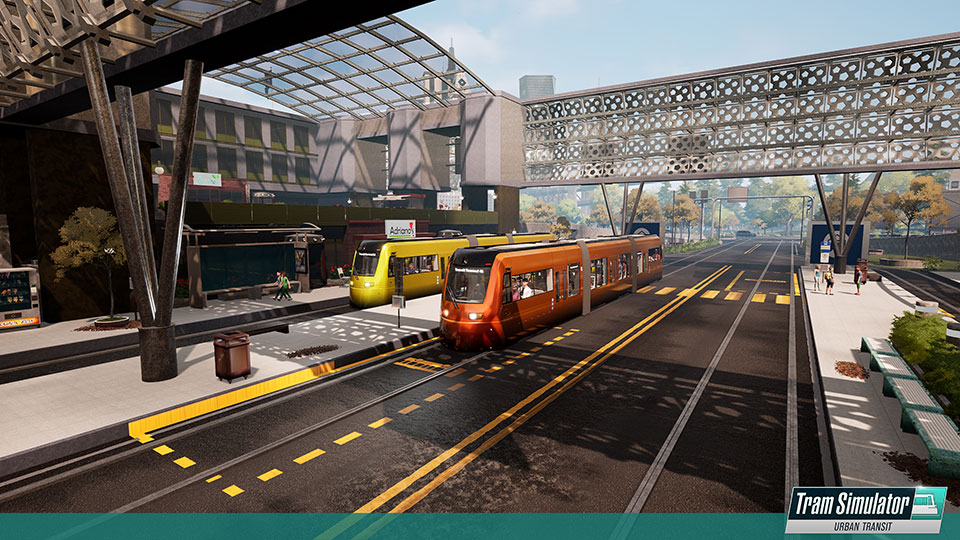
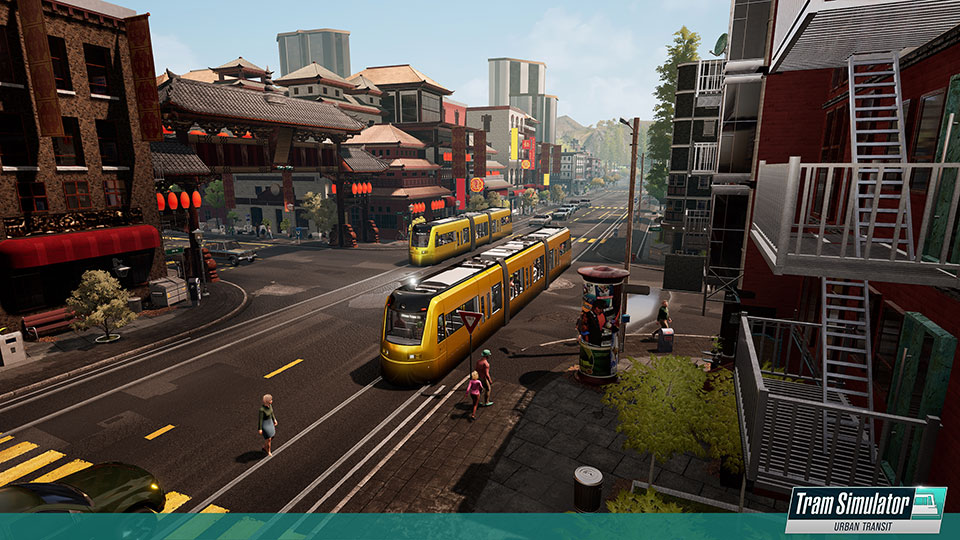
Transport passengers through Angel Shores and drop them off at different stations. Follow traffic rules and steer your tram through the lively city.

Move people and connect the city

Unique Tram Controls

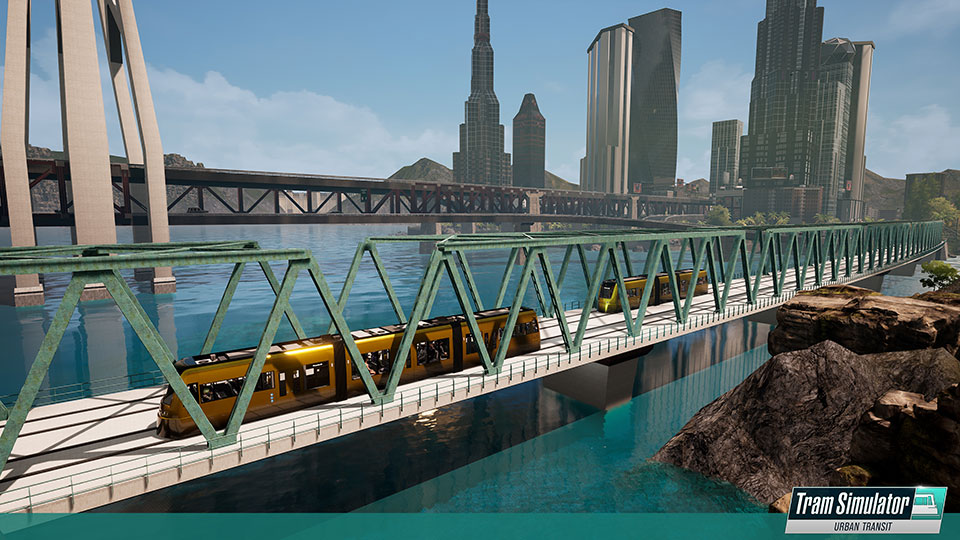
Each tram possesses a distinct driving feel, making every ride an unique experience. Learn the ropes in the "Driving School" tutorial.

Unique tram controls

Manage your Company

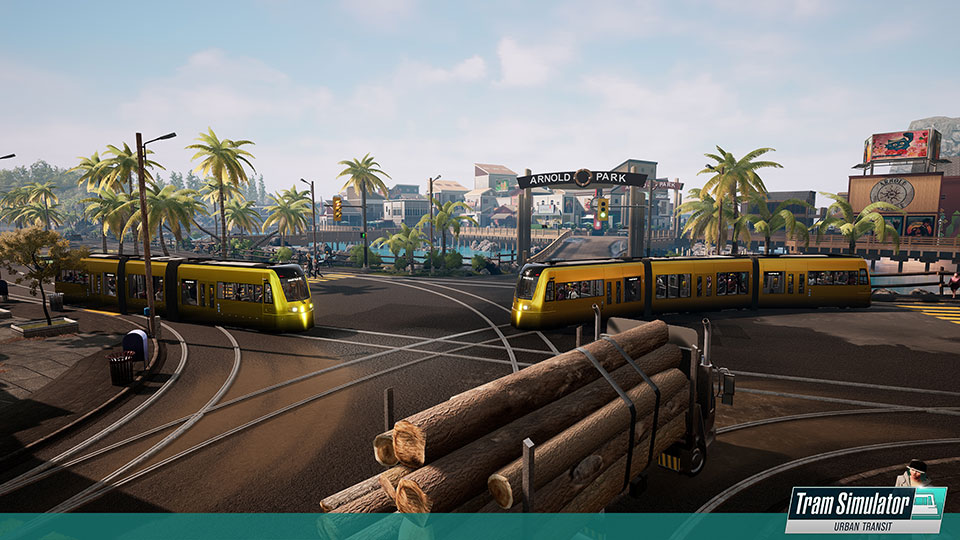
Create timetables, take care of new stops and the rail network. Upgrade and expand your fleet.

Manage your company

Different Game Modes

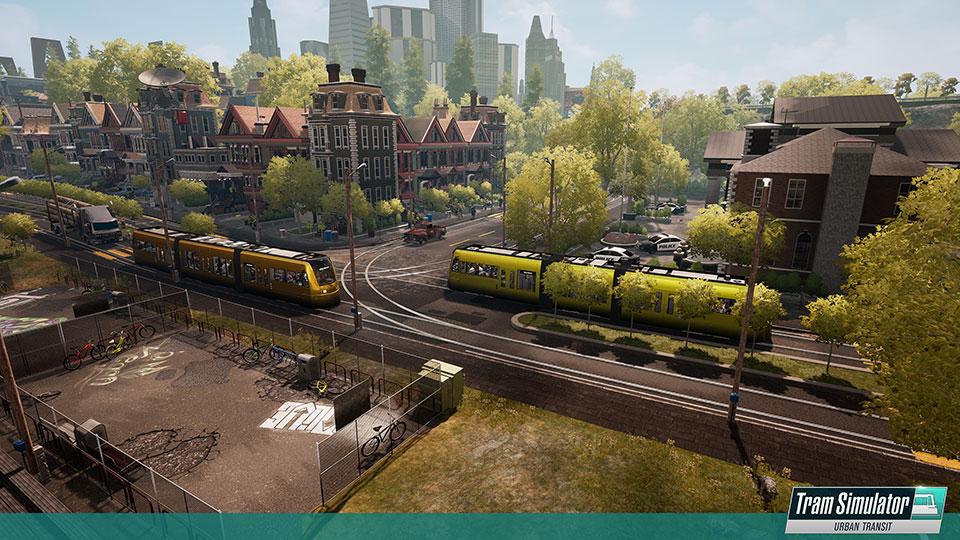
Story, career and sandbox with multiplayer option for all three modes.

Different game modes

Cross-Platform Multiplayer

Connect with friends via PC cross-play (Steam & Epic Games Store) and console cross-gen support (PS5™ with PS4™ / Xbox Series X|S and Xbox One).

Cross-Platform multiplayer

Trailer

Srkwikipad 🆕 Trending

Mira used it as a companion for small excavations. When she was trying to remember the name of the poet who had once taught her to listen for line breaks in a crowd, the pad surfaced a half-remembered lecture transcribed by a volunteer in a forum she’d never heard of. When she wanted to know what had happened to a neighborhood market that used to sell figs and mismatched teacups, the pad threaded municipal records, oral histories recorded on shaky phones, and a postcard with a stamp smeared by rain. The result was never a definitive history. It was a way to stand in a place and feel the gravity of all it had been.

At home she wiped the dust away and held the device like a map to a person. The screen sprang to life with an interface that felt both familiar and purpose-built: tabs labeled SOURCES, REFLECT, THREADS, and — curiously — ANCHOR. Its keyboard was a soft, low-slung chorus of haptic replies. The first note she typed was a name; the second, an event. The pad responded by gathering: snippets from once-forgotten sites, quotes from letters that lived on defunct servers, machine-synthesized archives of radio shows. It assembled a mosaic that was part-index, part-echo. srkwikipad

At dawn, when the city’s neon sighed and the cleaners pushed their carts like slow punctuation through rain-slick streets, the pad's light blinked awake. It was a thin slab of brushed aluminum and tempered glass, the kind of object that promised a pocket of order in the noise of everything else. Its name — SRKWIPAD, stamped in a soft serif on the edge — felt archaic and intimate at once, like a nickname forged from technical shorthand and affection. Mira used it as a companion for small excavations

SRKWIPAD did not become a corporation’s marquee product. It remained partly underground, a network of devices and forks and volunteers who believed that knowledge was an interlaced thing, not a product to be scaled to oblivion. Its legacy was not market share but the innumerable small repairs it enabled: reconciliations, reclaimed recipes, municipal bylaws rewritten to protect a tree, apprenticeships that started because a young person could trace a craft’s lineage. The result was never a definitive history

That steadiness made the wikipad valuable to others. A junior reporter used it to reconstruct a mayor’s rise by tracing campaign slogans through press releases, draft emails, and the informal newsletters of community groups; a retired teacher created a living primer for dialects she feared were slipping away; a group of neighbors reconstructed the disappearance of an old elm and used the evidence to push for a new ordinance. The device’s power was never unilateral; it amplified the fragments that communities already held, made them legible and defensible.

The pad called itself a wikipad, but it did more than collate facts. It stitched context into things that had been flattened by time and format. Where a plain archive would present a scanned page and a date, the pad threaded the page into a living narrative: who had written the margin notes, what weather had been the backdrop to that signature, which later events made the sentence burn brighter. It seemed to care less about completeness than about relation — the way a fragment touched other fragments and became meaningful because of its neighbors.

Buy Now


Pre-Order Tram Simulator Urban Transit on Steam now Wishlist Tram Simulator Urban Transit on PlayStation Store Wishlist Tram Simulator Urban Transit on Microsoft Store Wishlist Tram Simulator Urban Transit on Epic Games Store

Newsletter

Subscribe to our newsletter to get the latest news of Tram Simulator Urban Transit right in your inbox. Please note that you have to confirm your subscription before receiving our newsletter.

I want to unsubscribe my email address...