

Hello Kitty Island Adventure Ipa Hot Cracked For Io File
Phase one: identification. The screenshot's metadata was scrubbed, but the icon was unmistakable: a pastel sea, a tiny bow, and the title Hello Kitty Island Adventure. It was an updated 2025 build; the version string in the screenshot ended with a four-digit build number. I cross-referenced what little was visible with public release notes and fan forums. A new "island crafting" update had dropped three weeks prior, and within days, players had reported a server-side event that inexplicably unlocked premium cosmetics. The timing matched.
Phase six: the motive. Why target a Hello Kitty title? Popular IP draws players willing to pay for cosmetics and limited events; the incentive for cracking is clear. For the attackers, the value is twofold: monetize a cracked app through donations and ads, or use the thin veil of a beloved brand to draw installs and then distribute additional payloads—spyware, adware, or phishing overlays. Another motive is bragging rights among cracking communities: being first to release a "hot crack" is social currency. hello kitty island adventure ipa hot cracked for io
Epilogue: the practical lessons. Leaked IPAs, even when quickly circulating, are brittle: they can function for a short window but are fragile against server-side countermeasures. For owners of popular IP, the incident reinforced the need for runtime attestation and server-driven entitlements. For users, the episode was a reminder that installing "cracked" game clients risks device security and often only provides temporary gains. In cracking communities the leak became another badge; in incident response channels, a case study in how a patched binary plus disposable infrastructure tries—and usually fails—to exploit a fleeting opening. Phase one: identification







![[Q&A] 파일, 폴더 이름에 특수 문자 사용 (:콜론)](https://cdn-azr.ssumer.com/wp-content/uploads/2018/08/2018-08-05_15-04-34-440x264.jpg)
![[Q&A] Mac 기계식 키보드 연결 관련](https://cdn-azr.ssumer.com/wp-content/uploads/2018/08/razer-huntsman-elite-gallery02-440x264.jpg)
![[Q&A] 스타일 없이 순수 텍스트만 붙여넣기](https://cdn-azr.ssumer.com/wp-content/uploads/2011/06/imac-slipper-01_thumb-150x150.jpg)
![[Q&A] Mac 네트워크 공유 숨기기](https://cdn-azr.ssumer.com/wp-content/uploads/2015/11/IMG_0047_bk-150x150.jpg)
![[Q&A] Mac용 안티 멀웨어 관련 – Malwarebytes가 듣보잡?](https://cdn-azr.ssumer.com/wp-content/uploads/2018/07/malwarebytes_ico-150x150.jpg)
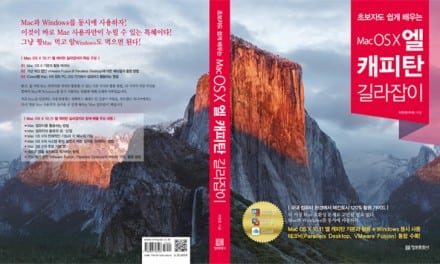
![[신간안내] OS X 10.9 매버릭스(Mavericks) 기본 + 활용 실무 테크닉, 국내 현실에 맞게 집필한 매킨토시 활용서](https://cdn-azr.ssumer.com/wp-content/uploads/2013/12/maverics_cover-150x150.jpg)
![[신간안내] Mac OS X Lion 실무 테크닉 (기본 + 활용), 국내 현실에 맞게 집필한 매킨토시 활용서](https://cdn-azr.ssumer.com/wp-content/uploads/2011/11/lion_cover-150x150.jpg)
![[신간안내] Mac OS X 실무 테크닉 (기본 + 활용)–국내 현실에 맞게 집필한 매킨토시 활용서](https://cdn-azr.ssumer.com/wp-content/uploads/2010/11/snow_cover-150x150.jpg)