|
|
Â
Bollettini Postali Mod. CH 8 Bis, Ter, F35, C/C 8003 - Software per Microsoft Windows |
|
|
Informativa sulla privacy e sull'uso dei cookie, condizioni generali di vendita e diritto di recesso |
Tel.
0755996655 |
|
|
Indice
dei programmi disponibili:
(FARE CLIC
SUL LINK DOWNLOAD RELATIVO AL SOFTWARE DA
SCARICARE)
|
Descrizione programmi:

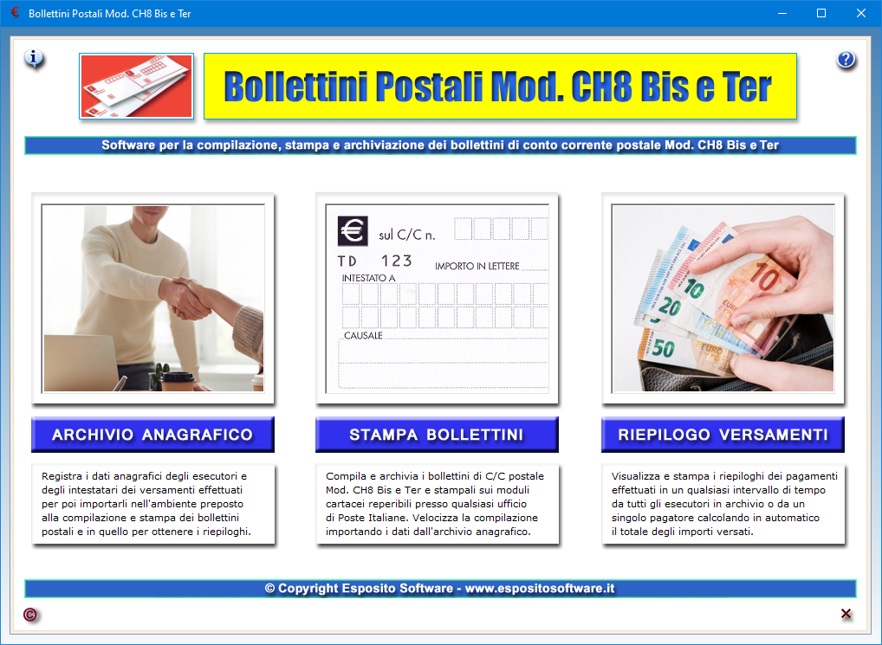
Bollettini
Postali Mod. CH8 Bis e Ter |
|
Download bollettini_postali_bis_ter.zip (5,88 MB)
|
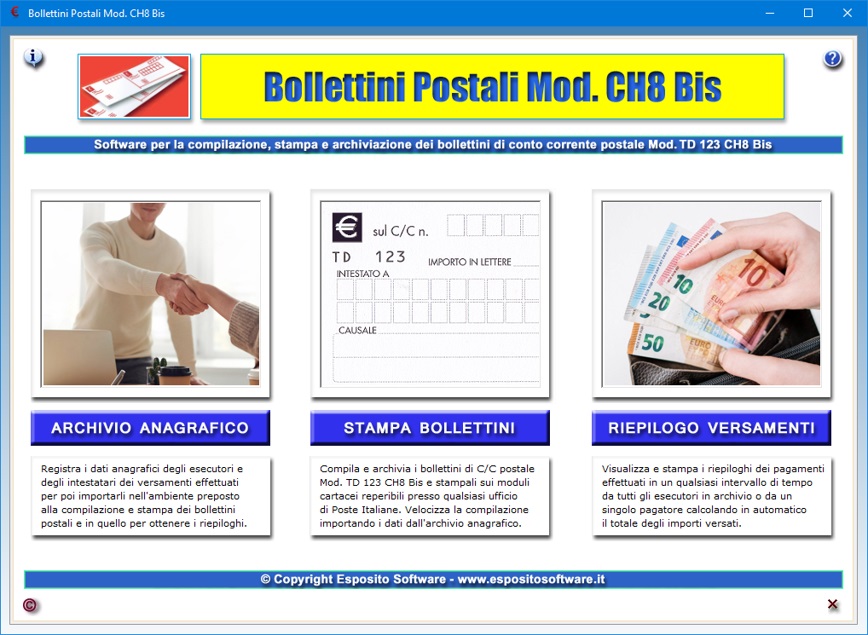
Bollettini
Postali Mod. CH8 Bis |
|
Download bollettini_postali_ch8_bis.zip (1,90 MB)
|
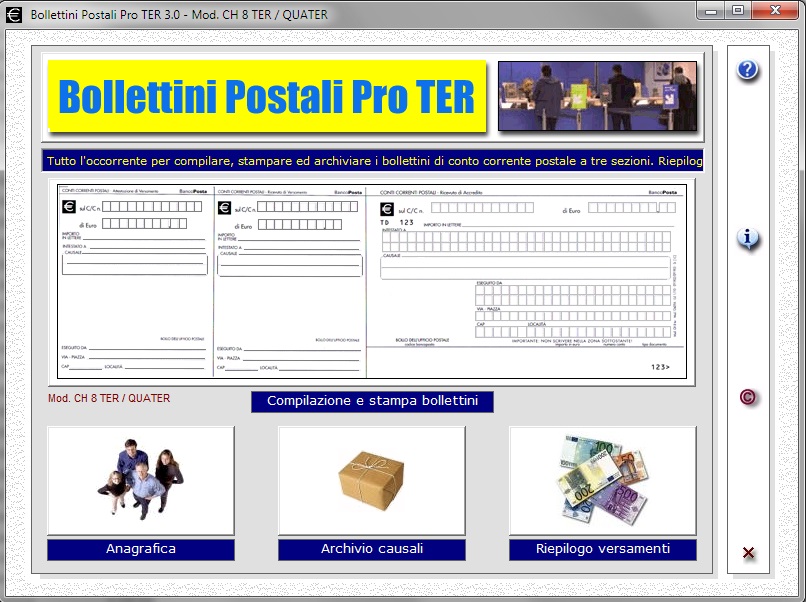
Bollettini
Postali Pro Mod. CH8 Ter |
|
Download bollettini_ter.zip (1,90 MB)
|
Bollettini
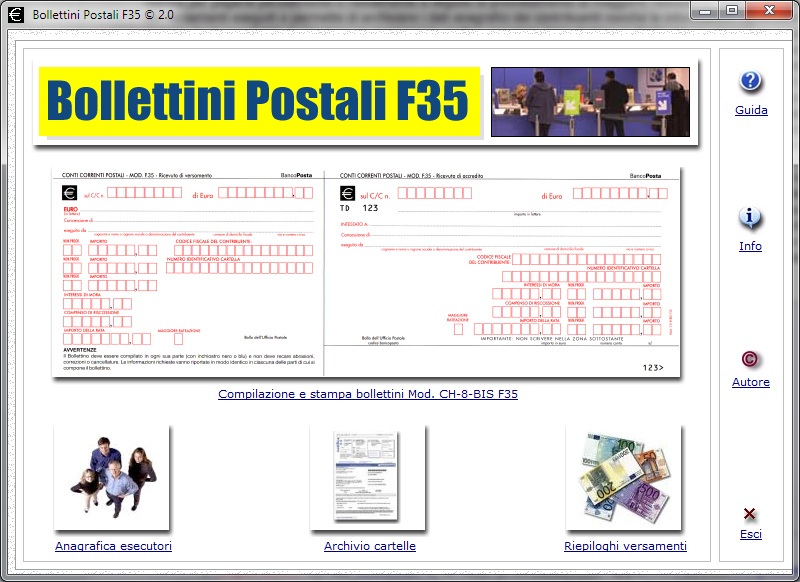
Postali Mod. F35 |
|
Download bollettini_f35.zip (2,20 MB)
|
Bollettini
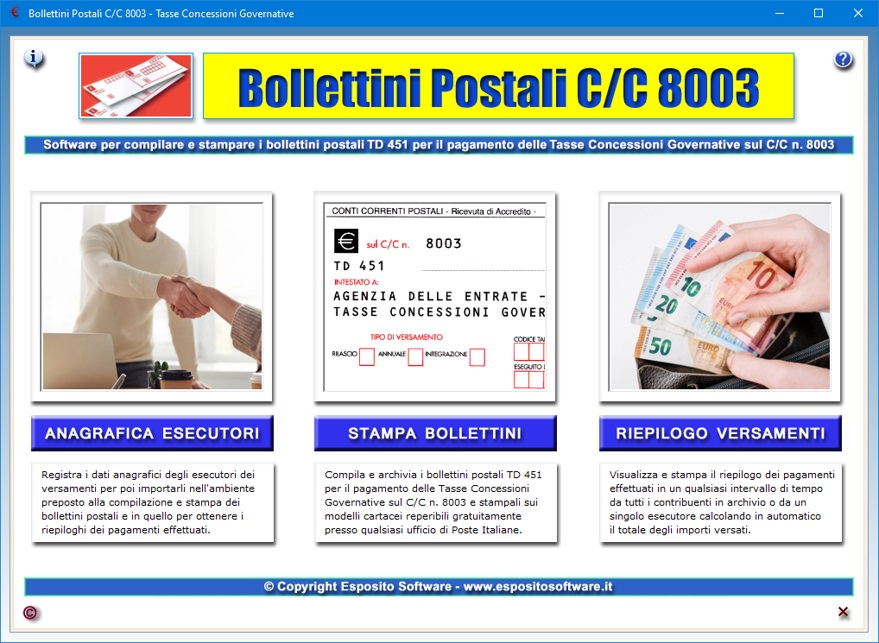
Postali Mod. TD 451 C/C 8003 |
|
Download bollettini_postali_8003.zip (4,42 MB)
|
First, "color climax film" might refer to a type of photography or cinematography where color is emphasized and used dynamically in a climactic scene. Maybe it's a technique or a specific film known for its use of color. Then there's "nr 1391" and "44 better." The numbers could be model numbers of a camera or film stock. "44 better" might indicate a comparison or an improvement over model 44. But I'm not sure if that's accurate. Let me check.
Alternatively, maybe there's a color negative film with ISO 44? For example, old films had lower ISO. Some early films had ISO like 10 or 25, but ISO 44 is not standard. Perhaps the user is misremembering the model numbers. Alternatively, it could be a different brand. Agfa once had some color films with unique ISO numbers, but I can't recall an Agfa film with 1391 or 44 in the model. color climax film nr 1391 44 better
Alternatively, maybe the numbers are from a different context, like camera models or film scanners. For example, some labs might have their own numbering systems for custom film types. If that's the case, the user might be referring to a specific product or service at a photography lab. However, without more context, it's tricky. First, "color climax film" might refer to a
The phrase “color climax film nr 1391 44 better� hints at a nuanced exploration of color reproduction in cinematography and photography, particularly through the lens of Kodak’s iconic Ektachrome E-1391 film. While the numbers may seem cryptic at first, they point to a rich history of emulsion science, artistic intention, and the eternal quest for visual excellence. This article delves into the legacy of Kodak Ektachrome E-1391, its place in color filmmaking, and the hypothetical or lesser-known “E-44� variant—whether real or imagined—while exploring how color is wielded as a narrative device in climactic moments on screen. Kodak’s Ektachrome film line has long been a cornerstone of color photography, celebrated for its vibrant saturation, fine grain, and archival permanence. Released in 2007 as a successor to the Ektachrome E-1392, the Ektachrome E-1391 (ISO 125) was a reversal film (slide film) designed for photographers and filmmakers seeking rich, saturated colors and precise tonal rendition. Unlike standard color negative films, reversal films like E-1391 produce a one-step positive image directly from the processed negative, bypassing the need for a second layer of chemical inversion. This made "44 better" might indicate a comparison or an
The user wants a long feature, so they probably expect a detailed article explaining the technical aspects, history, usage, and perhaps comparisons between these film types. To write that, I need to first establish the correct products. Let me do a quick research check.
Given the ambiguity, I should structure the article to address both possibilities: one about the Kodak Ektachrome film E-1391 and its possible comparison with another film (like maybe E-44 if it exists), and another about the use of color in climactic film scenes. However, since the user included numbers "1391 44," it's more likely about the film stock.
I remember that Kodak has a line of Ektachrome films, and some models might have such numbering. For example, Kodak Ektachrome E-1391 is a well-known color reversal film. The user might be referring to that. If "44 better" is part of the model number, it might actually be "E-44" as a different variant. Wait, but Ektachrome E-44 isn't a common model. Maybe it's a typo. Let me verify.
Software compatibili con tutti i sistemi Microsoft Windows a 32 e 64 bit
|