





The sign above the storefront was modest: a simple lowercase logo and the word apklike, the kind of name that promised convenience rather than spectacle. Inside, the air smelled faintly of fresh coffee and warm plastic—screens displaying app icons like glossy merchandise in a boutique. People moved through the aisles of recommendations with the languid focus of shoppers hunting something useful, not something flashy.
Apklike was a marketplace and a modest rebellion: an experience designed for curious users and makers who valued clarity, control, and community. It didn’t promise to replace the big stores; instead, it offered a different rulebook—one where apps were invitations rather than commodities, and where the small, useful, and humane could still find a place on the shelf.
Maya tapped an app called PocketGarden, a tiny gardening planner built for balcony growers. The app’s description included planting zones and simple reminders, but also a note from the developer about using reclaimed pots and low-water seeds. Community comments below were thoughtful—tips, troubleshooting, and occasional recipes for unexpected harvests. There was no barrage of targeted ads, no pop-up pressuring a five-star rating. Feedback seemed to matter; updates included user-suggested features and honest changelogs.
Maya came in on a rainy Tuesday, heading straight to a touch-screen kiosk. She’d heard about apklike from a friend: a marketplace for Android apps that favored discovery, niche creators, and alternatives to the mainstream. The site’s layout felt intentionally human—curated collections, short developer notes, and community-written blurbs that read more like conversations than sales copy. It wasn’t driven by aggressive algorithms so much as by human taste and a light touch of personalization.
Yet apklike wasn’t a utopia. Some apps were experimental and buggier than polished store listings. Reviews were candid; users sometimes recommended alternatives or pointed out missing accessibility features. The curation’s human element meant favorites could be eclectic and subjective, never a perfect match for everyone. And while many developers were small and earnest, a few listings were thin and unmaintained, reminders that discovery carries the risk of wasted downloads.
What struck her first was the diversity. Next to widely known productivity apps were single-developer tools for amateur astronomers, a minimalist journaling app created by a teacher, and a lightweight photo editor whose founder posted updates about beta fixes and user suggestions. The store’s pages didn’t just list features; they told small stories: why the developer made the app, whom it served, and what trade-offs were made to keep it small and nimble. That transparency felt rare; it invited trust.
What gave the store its heartbeat was the community. Developers wrote behind-the-scenes posts, hobbyist groups formed around shared interests, and occasional virtual meetups introduced new creators to curious users. The platform’s editorial team highlighted stories—an app that digitized family recipes, a mapping tool built by cyclists to highlight safe routes—framing software as an expression of lived needs rather than pure commerce.
We solve real problems that streaming providers face every day.
Every business is different. Our solutions adapt to your needs — from small startups to large providers.
Start small, grow big. Our platform handles traffic spikes without slowing down. No limits on growth.
5+ layers of security, built-in DDoS protection, and encrypted connections. Your content stays safe.
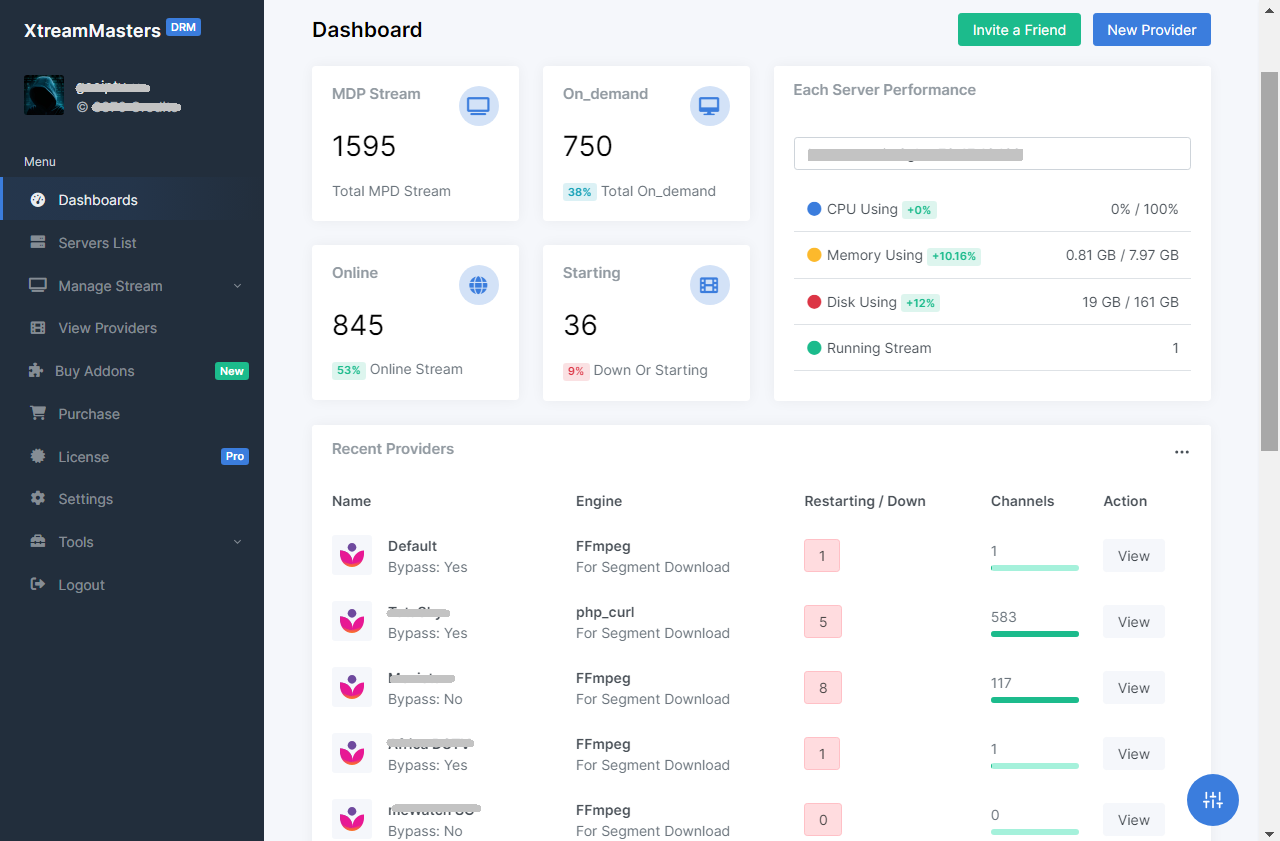
Convert DRM-protected MPD streams to HLS. You bring your own MPD + keys, server or proxy. No content included.
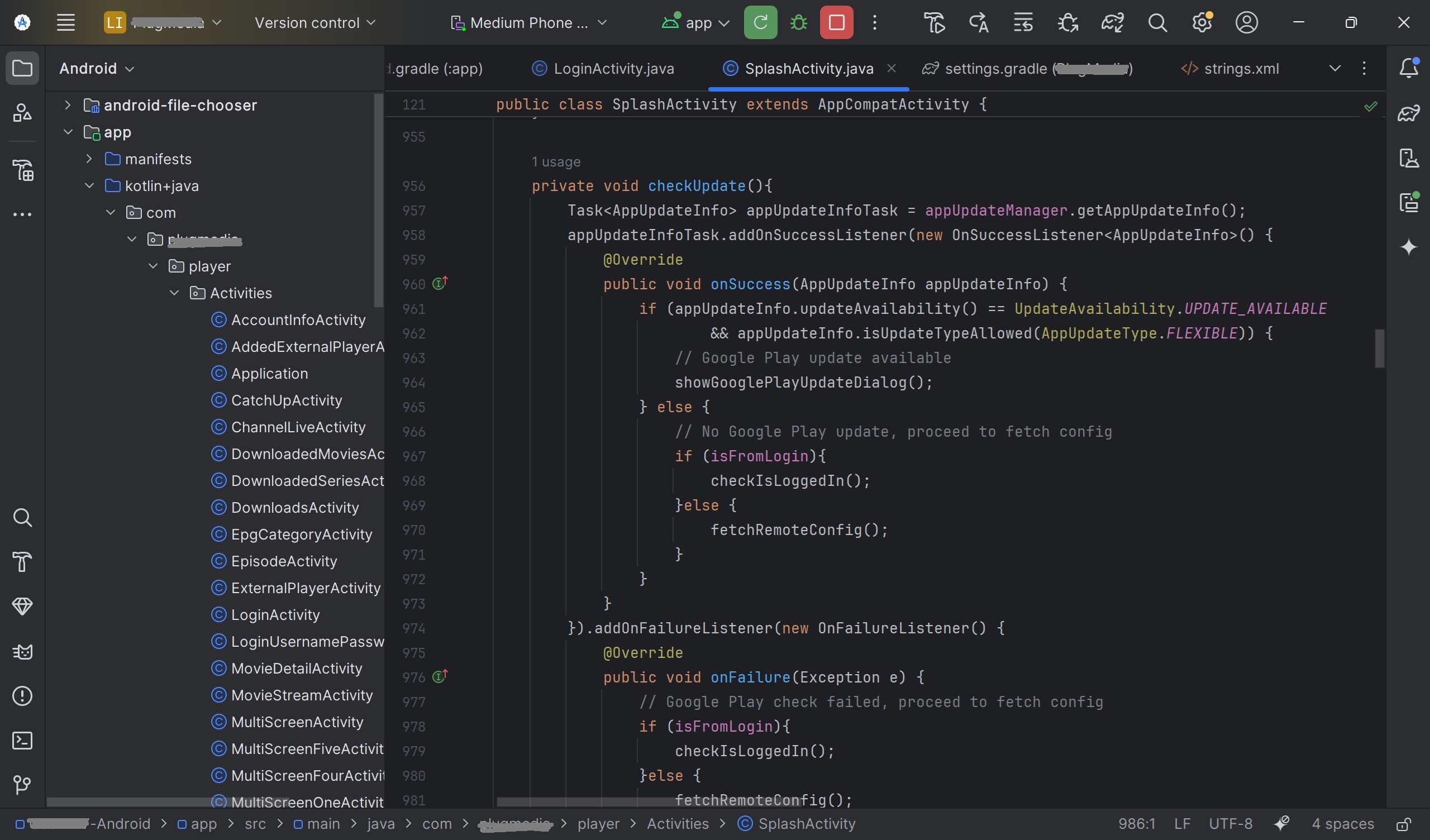
Your own branded IPTV app, ready in 3-7 days. Smart DNS, built-in VPN, all devices supported, and zero downtime with Firebase.
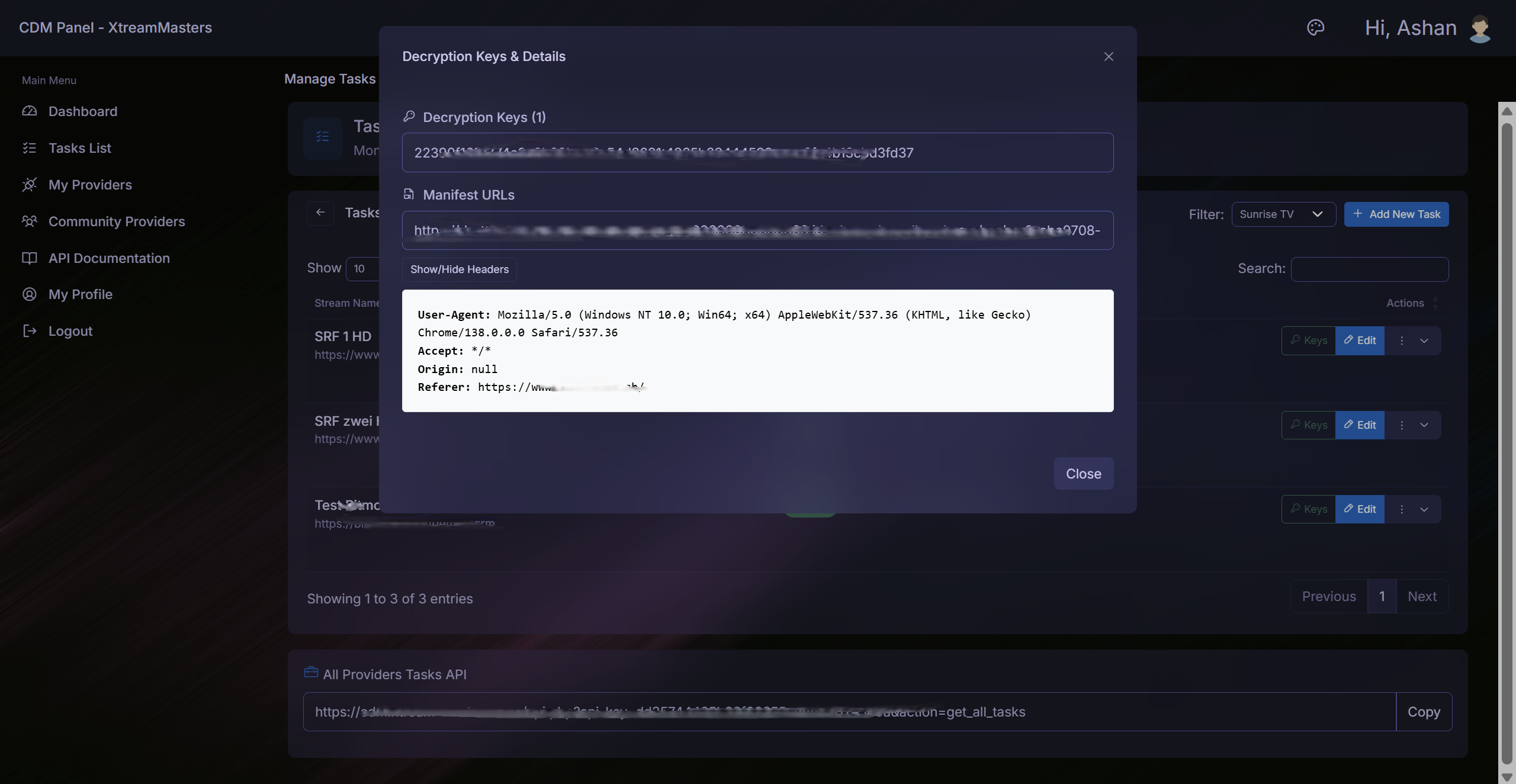
Chrome extension that automatically extracts MPD manifests and Widevine keys. Runs in the background with zero manual effort.
The sign above the storefront was modest: a simple lowercase logo and the word apklike, the kind of name that promised convenience rather than spectacle. Inside, the air smelled faintly of fresh coffee and warm plastic—screens displaying app icons like glossy merchandise in a boutique. People moved through the aisles of recommendations with the languid focus of shoppers hunting something useful, not something flashy.
Apklike was a marketplace and a modest rebellion: an experience designed for curious users and makers who valued clarity, control, and community. It didn’t promise to replace the big stores; instead, it offered a different rulebook—one where apps were invitations rather than commodities, and where the small, useful, and humane could still find a place on the shelf. apklike store
Maya tapped an app called PocketGarden, a tiny gardening planner built for balcony growers. The app’s description included planting zones and simple reminders, but also a note from the developer about using reclaimed pots and low-water seeds. Community comments below were thoughtful—tips, troubleshooting, and occasional recipes for unexpected harvests. There was no barrage of targeted ads, no pop-up pressuring a five-star rating. Feedback seemed to matter; updates included user-suggested features and honest changelogs. The sign above the storefront was modest: a
Maya came in on a rainy Tuesday, heading straight to a touch-screen kiosk. She’d heard about apklike from a friend: a marketplace for Android apps that favored discovery, niche creators, and alternatives to the mainstream. The site’s layout felt intentionally human—curated collections, short developer notes, and community-written blurbs that read more like conversations than sales copy. It wasn’t driven by aggressive algorithms so much as by human taste and a light touch of personalization. Apklike was a marketplace and a modest rebellion:
Yet apklike wasn’t a utopia. Some apps were experimental and buggier than polished store listings. Reviews were candid; users sometimes recommended alternatives or pointed out missing accessibility features. The curation’s human element meant favorites could be eclectic and subjective, never a perfect match for everyone. And while many developers were small and earnest, a few listings were thin and unmaintained, reminders that discovery carries the risk of wasted downloads.
What struck her first was the diversity. Next to widely known productivity apps were single-developer tools for amateur astronomers, a minimalist journaling app created by a teacher, and a lightweight photo editor whose founder posted updates about beta fixes and user suggestions. The store’s pages didn’t just list features; they told small stories: why the developer made the app, whom it served, and what trade-offs were made to keep it small and nimble. That transparency felt rare; it invited trust.
What gave the store its heartbeat was the community. Developers wrote behind-the-scenes posts, hobbyist groups formed around shared interests, and occasional virtual meetups introduced new creators to curious users. The platform’s editorial team highlighted stories—an app that digitized family recipes, a mapping tool built by cyclists to highlight safe routes—framing software as an expression of lived needs rather than pure commerce.
