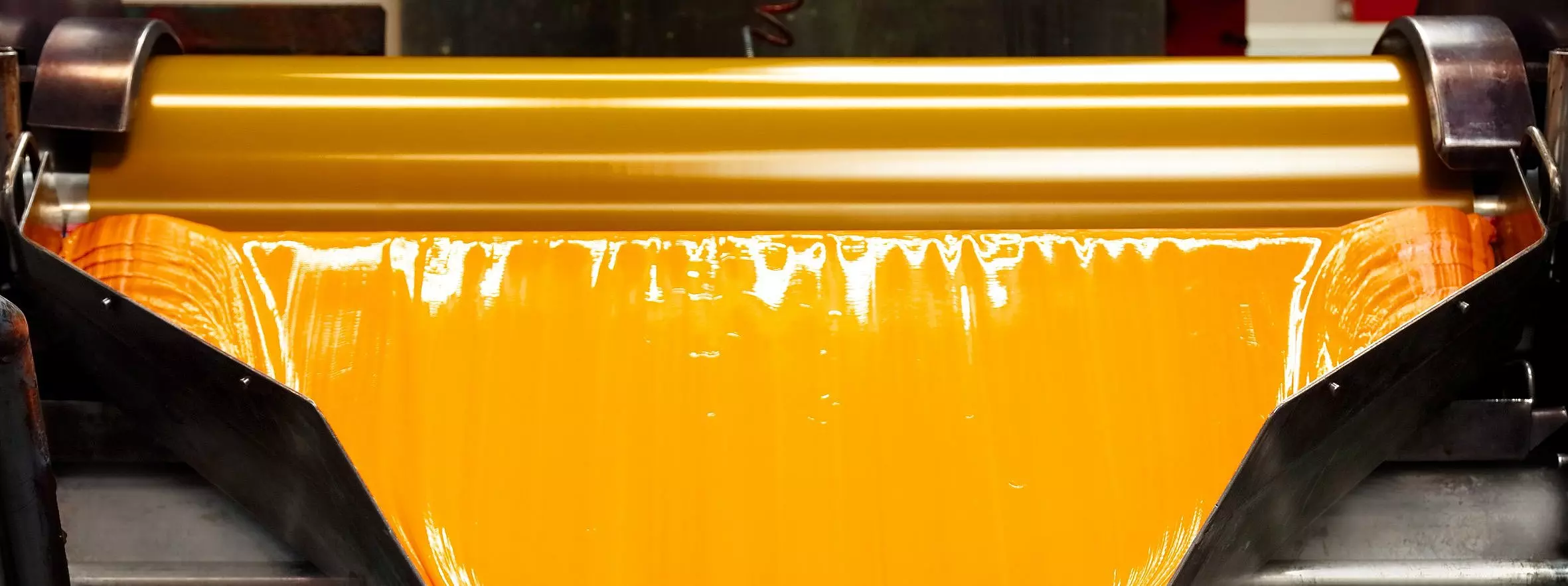
Colors are passion, emotions and personality. At Siegwerk, inks and coatings are our specialty and we use color to bring the packaging and products of our customers to life.
Together they enacted a strange economy of care. Alina would insist on grand gestures—an impromptu trip, a mural on a brick wall—while Nadine made sure there were pillows for the knees that fell during labor, soup for the mouths that forgot to eat, threads for the sweaters Alina left unfinished. Where Alina’s impulses erupted like flares, Nadine’s responses were mending—practical, patient, precise.
Nadinej—often simply Nadine in casual tones, though the old families kept the fuller name—preferred subtleties. Where Alina widened, Nadine gathered. Her presence was milky in the way cream rounds a bitter coffee, smoothing edges, singing down sharpness into solace. People trusted Nadine with small confessions and large silences alike; she patched things that were not broken but worn thin by use: friendships frayed at the edges, rituals reduced to habit, stories that needed retelling with fresh tenderness. alina micky the big and the milky nadinej patched
On evenings when the town gathered, you could see the mural from across the square. People leaned into its colors in low talk, and somewhere near its patched seam two women would stand—one with paint on her fingertips, one with thread caught on a button—and laugh because they had learned how to make things last without dulling their shine. Together they enacted a strange economy of care
The town took to telling stories about them. At the bakery, someone claimed Alina once organized the entire square to repaint forms of kindness on sidewalks; at the library, an old librarian swore Nadine had restored a book so gently that the author’s margins sighed in relief. Children imagined them as a pair of mythic guardians—one wielding a paintbrush of thunder, the other a needle threaded with moonlight. Nadinej—often simply Nadine in casual tones, though the
They argued like architects over an ambitious building. Alina’s blueprints were audacious: rooms that looked out on impossible views, windows that opened into other people’s lives. Nadine revised with quiet realism: a stair that wouldn’t swing in wind, a banister at the right height, a small window to catch morning without flooding the house. Their quarrels left no scorched earth, only modified sketches, compromise shaped into more interesting designs.
She moved through her days like a composer testing chords: bold gestures, softer cadences. Friends called her “Big Alina” half in jest, half in reverence; it wasn’t size that earned the name but the scale of her commitments. A project she embraced swelled into an act of devotion. A promise she made became a landmark.
In time their relationship ceased to be a spectacle and became an environment. People stopped telling stories about “the two” as if they were a singular marvel; instead neighbors began to borrow sugar, swap tools, and confide small domestic disasters because the model of care Alina and Nadine practiced had become ordinary and therefore contagious.


