References:
Camus, A. (1954). The Rebel. Translated by Anthony Bower. New York: Vintage Books.
While Camus' philosophy has been widely influential and admired, it has also faced criticisms and challenges. Some have argued that his philosophy is overly pessimistic, neglecting the potential for human progress and social change. Others have criticized his rejection of transcendence and traditional morality, seeing this as a form of nihilism or moral relativism.
In "The Rebel," Camus explores the theme of rebellion as a fundamental aspect of human existence. The rebel is a figure who refuses to accept the status quo, who challenges authority, and who seeks to create a new world, despite the uncertainty and risk involved. For Camus, rebellion is a vital and necessary response to the absurd, as it allows individuals to assert their freedom, creativity, and autonomy in the face of oppression and conformity.
References:
Camus, A. (1954). The Rebel. Translated by Anthony Bower. New York: Vintage Books.
While Camus' philosophy has been widely influential and admired, it has also faced criticisms and challenges. Some have argued that his philosophy is overly pessimistic, neglecting the potential for human progress and social change. Others have criticized his rejection of transcendence and traditional morality, seeing this as a form of nihilism or moral relativism.
In "The Rebel," Camus explores the theme of rebellion as a fundamental aspect of human existence. The rebel is a figure who refuses to accept the status quo, who challenges authority, and who seeks to create a new world, despite the uncertainty and risk involved. For Camus, rebellion is a vital and necessary response to the absurd, as it allows individuals to assert their freedom, creativity, and autonomy in the face of oppression and conformity.
Earn Crypto From Binance Together
| How to Earn | : | Register Binance Account with this link and start earn together. |
|---|---|---|
| Step 1 | : | Register with this link |
| Step 2 | : | Deposit more than $50 within 14 days after registration |
| Step 3 | : | Receive 100 USDT cashback voucher each |
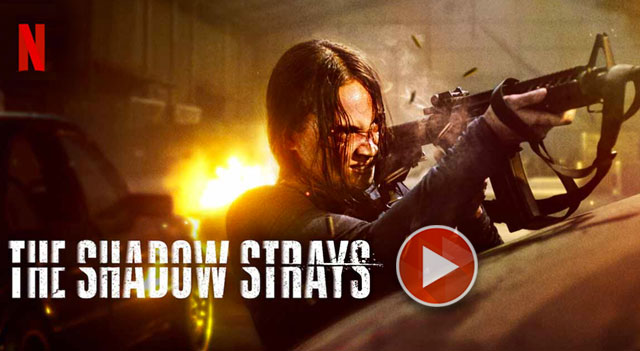
The Shadows Strays 2024
| : | Codename 13, a 17-year-old assassin, is suspended due to a sloppy mission in Japan. She meets 11-year-old Monji, who loses his mother,... | ||
|---|---|---|---|
| Genres | : | Action | Adventure | Drama | |
| Play | : | WATCH NOW |
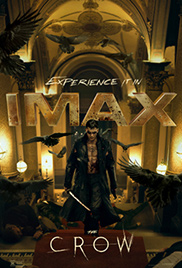
The Crow 2024
| : | Soulmates Eric and Shelly are brutally murdered. Given a chance to save the love of his life, Eric must sacrifice himself and traverse the worlds of the living and the dead,... | ||
|---|---|---|---|
| Genres | : | Action | Adventure | Drama | |
| Play | : | WATCH NOW |




© 2026 Honest Lens. All rights reserved.